
Why so many builders have gone bust, and why Patterson Construction is built to last
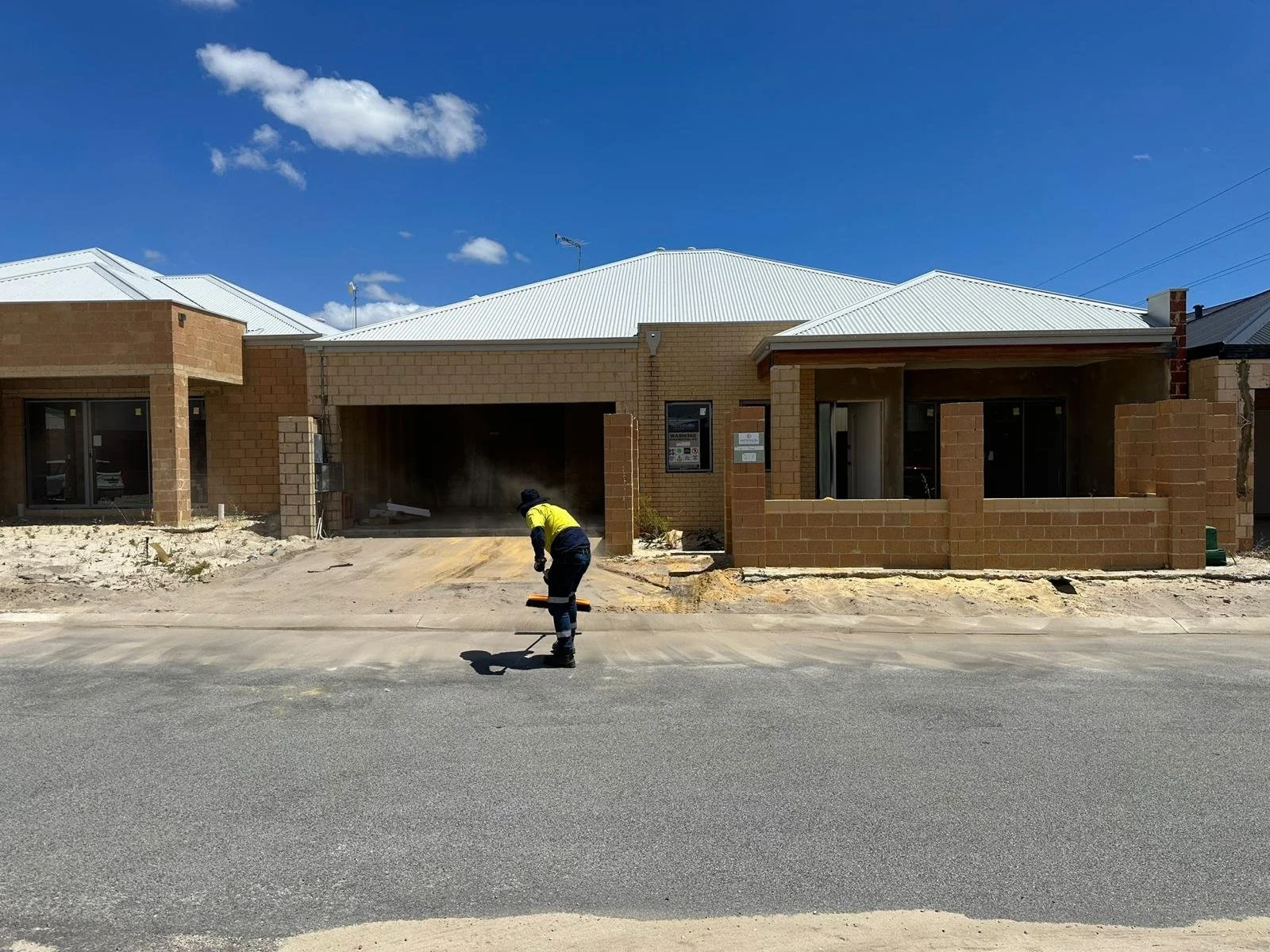
Over the past few years Australia's building industry has faced some of its most difficult conditions in decades. The collapse of numerous construction companies has made headlines across the country, leaving unfinished homes, anxious clients, and a deeply shaken confidence in the industry. If you've been watching this unfold and wondering whether your builder is next, you're not alone. Here's what's actually driving these failures, and why Patterson Construction is structured to avoid them.
Rising material costs hit fixed-price builders hardest. Prices for timber, steel, and concrete surged sharply after the pandemic. For builders locked into fixed-price contracts, those increases couldn't be passed on to clients, which meant absorbing the difference themselves. On already thin margins, that's an unsustainable position. Many builders signed contracts at pre-pandemic prices and were essentially building at a loss before work even began.
Labor shortages compound every other problem. The industry is facing a critical shortage of skilled tradespeople. That shortage drives up wages, causes project delays, and creates a ripple effect across timelines and budgets. Builders who were already stretched found themselves unable to resource projects properly and the delays that followed made everything worse.
Supply chain disruptions were impossible to predict or control. Global freight issues, local shortages, and unpredictable delivery schedules turned project planning into guesswork. Builders who lacked strong supplier relationships and contingency planning were simply not equipped to absorb that level of disruption.
Economic pressure finished what the rest started. Rising interest rates, inflation, and a cooling housing market reduced demand and made borrowing more expensive. For builders already operating on razor-thin margins, this final layer of economic pressure was enough to push many over the edge.
So how is Patterson Construction different?
We don't take on more work than we can confidently deliver. That's the most important decision any builder makes and it's one we take seriously. Every project we accept is assessed against our current capacity, if we can't do it properly we won't do it at all. That selective approach protects our clients and protects our business.
We do the numbers properly upfront. Every project is financially assessed before contracts are signed. We understand our costs, our margins, and our exposure before a single commitment is made. Realistic planning isn't glamorous but it's what keeps a building business standing when the market gets difficult.
Lucas is personally involved in every build. When the owner of a construction company is directly responsible for every project on the books, the incentive to overcommit disappears. Lucas's reputation, personally, not just professionally is on the line with every home we build. That accountability changes everything.
We have strong supplier relationships built over years. When materials are scarce or prices are volatile, the builders with trusted supplier networks are the ones who can still source what they need. Those relationships don't happen overnight they're built through consistent, professional, long-term partnerships.
We communicate transparently about timelines and costs. When challenges arise, and in construction they always do, we tell our clients immediately. No hiding bad news. No hoping problems resolve themselves. Honest communication early prevents the kind of compounding issues that bring builders undone.
The industry's problems are real and ongoing. But they're not inevitable for every builder. At Patterson Construction we've watched the landscape change and we've adapted deliberately. If you're considering building and want to work with a company that's structured to be here for the long term, talk to Lucas. He'll tell you honestly whether PCC is the right fit, and if we're not, he'll tell you that too.