
15 steps to take when your builder goes bankrupt, a complete guide
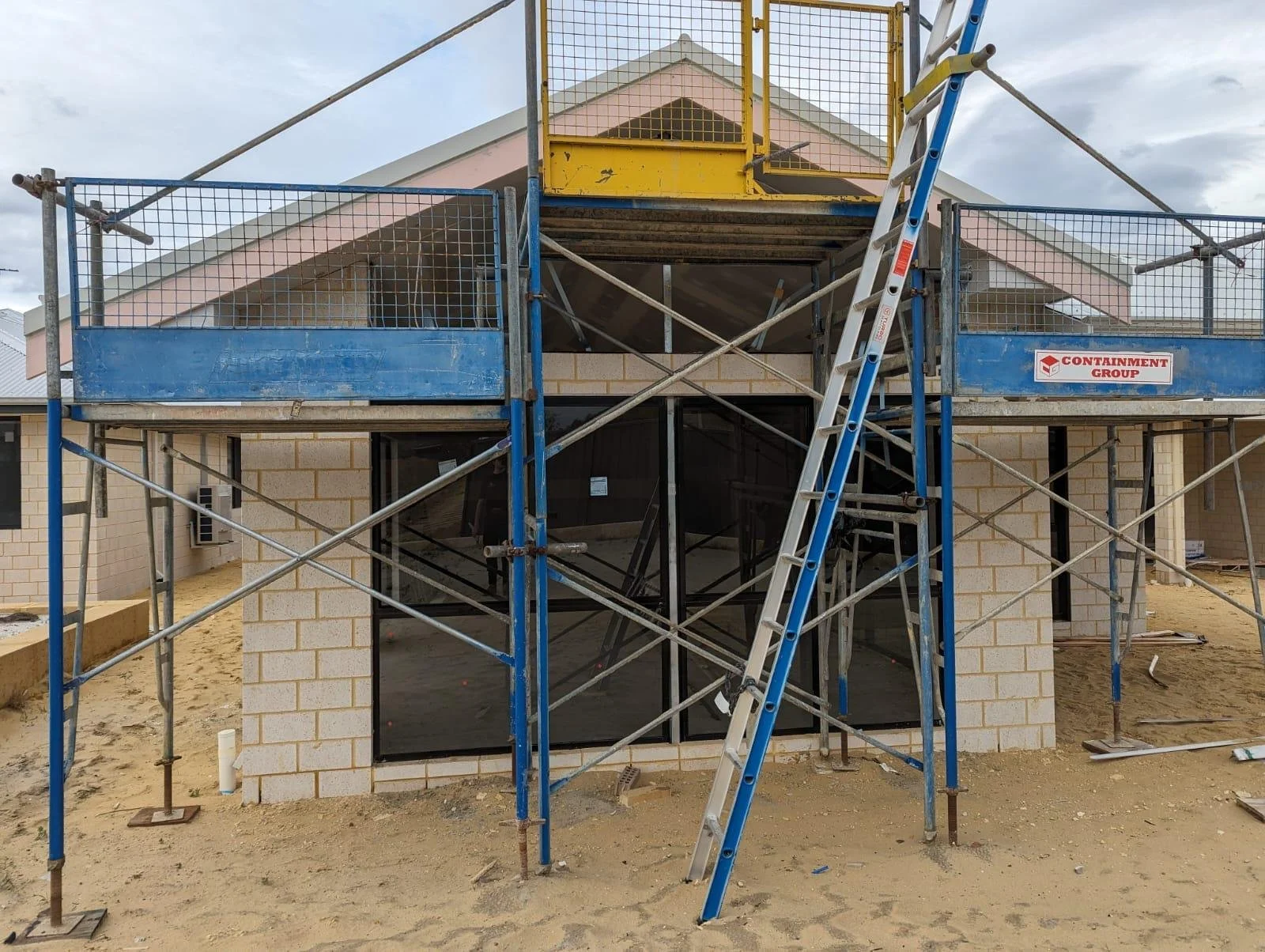
When a builder goes into liquidation it can feel like the rug has been pulled out from under you. You've invested so much, emotionally, financially, and in many cases years of planning, only to be left with an unfinished home and a long list of unanswered questions. We've supported many families through this exact situation. While the road ahead can feel overwhelming, there is a clear path forward. Here it is.
Register for your insurance claim immediately. Most builders are covered by Home Indemnity Insurance, typically through providers like QBE. Once a builder is officially in liquidation, insurance portals open for claims. Register as early as possible to avoid delays that cost you time and money.
Speak to your finance broker. Check the current terms of your construction loan. You'll likely need a time extension and possibly a revised loan assessment. Your broker can guide you through both.
Secure your property. Once a builder enters administration their insurance becomes void, leaving your site uninsured and vulnerable. If the build is past lock-up, collect your keys or hire a locksmith to secure the property immediately. No general insurer currently provides coverage for incomplete builds so site security is essential.
Document everything on site. Visit the property and thoroughly photograph and video every aspect of the build as it currently stands. Clear documentation of the build status is essential for quoting, claims, and any disputes that arise later.
Get an independent building inspection. Hire a licensed building inspector to confirm compliance with building codes, identify any defective or unsafe work, and outline what rectification is needed. This gives you an honest baseline before any new builder sets foot on site.
Gather all your project documents. You'll need your building contract, council-approved plans, engineering reports, and all addenda and variations. Having these organized and ready will significantly streamline both the quoting process and your insurance claim.
Get ballpark estimates from experienced builders. Not all builders will take on a takeover project, ask upfront about their experience with incomplete builds. Get a general sense of the cost to complete and the cost to rectify any issues before committing to anything.
Review your financial capacity. With your broker's support, determine whether you can fund the remaining build. If there's a shortfall, explore options including additional lending, government support if applicable, and personal finance strategies.
Get fixed-price quotes from shortlisted builders. Once you've identified builders with the right experience, request detailed quotes covering all outstanding works, required rectification, and updated material selections where original choices are no longer available. Transparency at this stage prevents expensive surprises later.
Review every quote carefully. Compare scope of works, timeline to completion, terms and exclusions, and quality guarantees. Don't rush this step, getting it right here saves you significant stress down the track.
Submit your insurance claim. Once you've chosen your builder and finalized your quote, submit everything to your insurer. Be aware they may send their own inspector to validate the work which can add one to two weeks to the process.
Understand how funds are released. If approved, your insurer may release up to $200,000 depending on your policy to help complete the build. These funds typically go directly to you but must be used strictly for construction-related expenses.
Sign with your new builder. Once insurance funds are secured and paperwork is finalised, sign your new building contracts, attend a pre-start appointment as some original selections may no longer be available, and restart construction under a revised schedule.
Request independent inspections at every stage. We strongly recommend independent oversight at each progress milestone to ensure work is completed to code before payments are released.
Keep communication open throughout. Maintain clear and consistent communication between your new builder, your independent inspector, your finance broker, and your insurer. Regular updates from all parties prevent delays and keep everyone accountable.
Losing your builder is a devastating setback — but it is not the end of your home ownership journey. At Patterson Construction we've supported clients through this before and we're here to offer honest advice, practical guidance, and if you're ready, a safe path to finishing your home. Get in touch with Lucas today — the conversation is free and the advice is genuine.